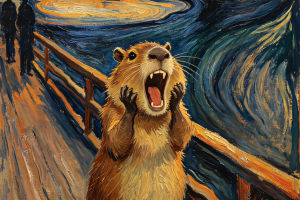
Light is one of the defining elements of a painting. It reveals the structure of a subject, establishes relationships between colors, separates areas of space, and influences the overall character of a composition.
Changes in direction, intensity, and quality can make the same scene appear soft and tranquil or vivid and dramatic.
For artists, understanding light is not simply a matter of identifying what is bright or dark. It involves observing how illumination interacts with surfaces, colors, shadows, and surrounding space, then translating those relationships into a cohesive visual language.
Light Defines Form
Light gives objects a sense of volume by showing how their surfaces turn through space. Areas facing the source generally receive more illumination, while surfaces positioned farther from it appear darker.
The transition between light and shade helps describe rounded forms, folds, architecture, landscapes, and other subjects. The direction of illumination can also reveal structure, allowing artists to make forms appear solid and dimensional rather than flat.
Light Changes the Appearance of Color
Color is strongly influenced by its surrounding illumination. Warm light can shift nearby hues toward golden or richer appearances, while cooler conditions may make colors appear more subdued.
Artists therefore need to consider colors in relation to one another and to the lighting environment. A carefully controlled palette can communicate different conditions, from clear daylight to gentle evening illumination, while maintaining harmony across the composition.
Light Builds Spatial Depth
Illumination can reinforce the perception of distance. Foreground subjects may appear sharper and more defined, while distant areas often become softer and less distinct.
Artists can combine changes in value, contrast, color intensity, and detail to separate different planes within a scene. These variations help create the impression of space on a two-dimensional surface.
Shadows Reveal Structure
Shadows are an essential counterpart to illumination. They show where light is interrupted and help establish the position of objects within their surroundings.
Their edges can also indicate the character of the light source. Diffused illumination generally produces softer transitions, whereas direct illumination can create more defined shadow shapes.
Effective shadows contain more than a single dark value. Subtle variations in hue and intensity can give them greater visual richness while keeping them connected to the surrounding environment.
Light Shapes Atmosphere
The quality of illumination contributes significantly to the atmosphere of a painting. Soft, evenly distributed light can create a calm and harmonious impression, while stronger differences between light and shade can add visual intensity.
Changes throughout the day provide further opportunities for artistic expression. Morning, midday, and evening conditions can produce distinct relationships between color, value, and surrounding space.
Rather than adding atmosphere through excessive detail, artists can often achieve it through carefully controlled lighting relationships.
Light Creates Visual Hierarchy
Brightness and contrast can guide attention through a composition. A strongly illuminated area can become an immediate focal point, particularly when it is surrounded by quieter values.
Artists can place greater contrast around the primary subject while reducing contrast in supporting areas. This creates a clear visual hierarchy and encourages the viewer's eye to move through the painting in an intentional way.
Observation Develops an Understanding of Light
A strong understanding of illumination begins with careful observation. Artists can study familiar subjects under different conditions and compare changes in value, color, shadow, reflection, and surface appearance.
It is helpful to identify the major relationships before concentrating on fine details. Establishing the primary light source, brightest areas, darkest values, and general direction of illumination provides a clear foundation for developing the rest of the painting.
Light connects many of the essential elements of painting. It defines form, alters color, establishes spatial relationships, shapes shadows, creates atmosphere, and directs attention.
Mastering it requires more than making selected areas brighter or darker. It requires understanding how illumination affects the entire composition and using those relationships deliberately. When light is observed with precision and translated thoughtfully, a painting can achieve greater depth, clarity, balance, and visual unity.