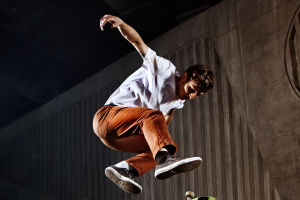
Watching a high jump athlete rise smoothly over the bar often leaves us curious about how such height is achieved. The movement looks effortless, yet it is built on careful timing, coordination, and controlled power.
In this article, we explore how we can improve jumping ability in a clear and practical way. High jump is not only about strength, but also about rhythm, focus, and body awareness.
When we understand each part of the motion, steady progress becomes much more realistic. Let’s go through the key elements together and see how we can improve step by step.
Understanding the Approach Run
The approach run is where everything begins. We need to build rhythm before the actual jump, usually over a distance that allows smooth acceleration. Instead of rushing, we focus on gradual speed gain. A stable upper body helps us stay balanced while the legs naturally increase pace.
A useful tip is to keep our steps consistent. When we lose rhythm, the jump often becomes unstable. By practicing repeated runs without jumping, we can feel the correct timing and body control. This stage is about preparing energy rather than using it too early.
Takeoff and Power Transfer
Takeoff is the moment where forward motion turns into upward lift. We place one foot firmly on the ground and bend the knee slightly to absorb force. At the same time, the arms swing upward to support the lift.
The key is coordination. If we push too early or too late, the jump height will be affected. We should aim for a strong but controlled push from the ground. Many athletes practice this part separately to improve precision. Small improvements in timing often lead to noticeable gains in height.
Air Position and Body Control
Once we leave the ground, body shape becomes very important. We try to keep a smooth and streamlined position to reduce unnecessary resistance. The legs gradually move upward, preparing for clearance over the bar.
At this stage, awareness is crucial. We focus on keeping balance rather than forcing movement. If the body twists too much, stability can be lost. Practicing slow-motion drills helps us understand how the body behaves in the air, making real attempts more controlled and efficient.
Clearing the Bar Smoothly
As we approach the bar, timing and body alignment come together. We adjust our posture slightly so that different body parts pass in sequence. This helps reduce contact with the bar.
Instead of forcing a large movement, we rely on flow and coordination. The goal is to pass over smoothly while keeping the center of balance steady. Repetition is important here, as each attempt teaches us more about spacing and rhythm.
Landing with Safety and Stability
Landing is often overlooked, but it is essential for safe practice. We aim to relax the body upon contact and absorb impact gently. A controlled landing helps protect joints and prepares us for the next attempt.
We should also reset mentally after each jump. Instead of rushing, we take a moment to feel what worked well and what needs adjustment. This reflection supports steady improvement over time.
Training Methods for Steady Progress
To improve consistently, we combine different types of training. Strength work supports power, especially in the legs and core. Simple exercises like squats help build a solid base.
Explosive drills, such as controlled jumping exercises, help us develop quick force output. Meanwhile, flexibility practice keeps the body responsive and reduces stiffness. Stretching the legs and lower back improves movement range, which is very helpful during jumping actions.
We also include repeated technique drills. Breaking the movement into smaller parts allows us to focus on accuracy. Over time, these parts combine into a smoother full motion.
Recovery and Daily Support
Rest is just as important as practice. After training, we allow the body to recover through light stretching and relaxation. Good sleep helps muscles repair and maintain energy for the next session.
Nutrition also plays a role. Balanced meals with protein and carbohydrates support recovery and energy supply. Staying hydrated helps maintain performance during training days.
By combining rest and proper habits, we can maintain consistency without unnecessary strain.
Final Thoughts
High jump is a journey built on patience, coordination, and steady learning. When we break down each stage and practice with intention, progress becomes more visible over time. Every small improvement adds up, shaping better control and confidence.
Lykkers, have you tried practicing any of these steps before? Share your experience and let’s continue learning together as we explore new ways to reach higher levels in this exciting movement skill.