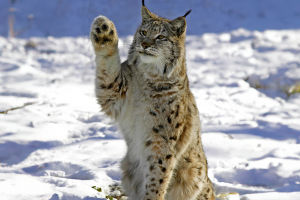
Through the dense shadows of tropical forests, a flash of orange and black slips silently among the trees. The Sumatran tiger moves like a ghost, each step deliberate, each gaze intense.
Observing this elusive predator is like watching the ultimate master of stealth in action—every movement tells a story of survival and skill.
Distinctive appearance and size
Compact build, striped coat, expressive eyes
- Smaller and stockier
Sumatran tigers are the smallest tiger subspecies, yet their compact size gives them exceptional agility. This build helps them navigate dense undergrowth where larger predators would struggle.
- Unique stripe patterns
No two tigers have identical stripes. On the Sumatran tiger, stripes are closer together and sometimes form broken chains, aiding in camouflage in shadowed forests.
- Powerful limbs
Their muscular legs allow for strong leaps and fast sprints, which are vital when hunting deer, or smaller prey hidden in thick vegetation.
Actionable example:
When watching footage of these tigers, focus on how their stripes blend with dappled light—it's a natural lesson in camouflage that photographers and wildlife enthusiasts can appreciate.
Master hunters of the forest
Silent stalking, quick bursts, strategic ambush
- Stealthy approach
Sumatran tigers move silently, often crouching low and following scent trails to locate prey without being detected.
- Short, explosive speed
They rely on quick bursts rather than long chases, using dense vegetation as cover to get close before the final sprint.
- Strategic ambush
Often, they position themselves near watering holes or animal paths, waiting patiently for the perfect moment to strike.
Actionable example:
Documenting these tigers in the wild requires patience. Use remote cameras near known game trails and avoid disturbing the area—this mimics the tiger's stealthy approach to prey.
Communication and territorial behavior
Scent marking, vocalizations, territorial patrols
- Marking territory
They rub their faces and bodies against trees, leaving scent from glands to signal territory boundaries. This reduces conflict with other tigers.
- Calls and roars
Loud, low-pitched calls can travel kilometers. Roars serve to attract mates or warn intruders, while softer growls and chuffs are for closer communication.
- Regular patrols
Tigers often follow a set route in their territory, checking marks, listening for intruders, and adjusting boundaries if needed.
Actionable example:
When observing tracks, note scratch marks and scat placement. These signs give insights into how tigers organize and defend their space, useful for both researchers and conservationists.
Reproductive behavior and cub raising
Solitary mothers, stealthy nesting, cub play
- Solitary maternal care
Female tigers raise cubs alone, teaching hunting skills and survival strategies in safety. Cubs learn by watching and copying the mother's moves.
- Hidden dens
Dens are often in thick vegetation or near water sources, offering protection from predators and disturbances.
- Play as practice
Cubs engage in play-fighting, chasing, and pouncing, which develops the agility, strength, and reflexes they need as future hunters.
Actionable example:
Photographers and wildlife watchers should keep distance from cub dens. Observing from afar with zoom lenses allows documentation of natural behavior without disruption.
Conservation challenges and hope
Habitat loss, poaching threats, protection efforts
- Shrinking forests
Deforestation reduces hunting grounds and forces tigers closer to human settlements, increasing conflict.
- Poaching and illegal trade
Despite protection laws, tiger parts remain targeted for illegal markets, creating constant survival challenges.
- Protected areas
National parks, sanctuaries, and anti-poaching patrols help stabilize populations. Awareness campaigns also engage local communities in conservation efforts.
Actionable example:
Support tiger conservation through donations, volunteering, or eco-tourism programs that fund forest preservation and anti-poaching measures. Every small contribution aids survival.
Watching a Sumatran tiger in its forest is a lesson in patience, observation, and respect for wild mastery. Each stripe, stealthy movement, and careful interaction reflects a life honed by survival in challenging terrain. When we learn to appreciate and protect these incredible cats, we preserve not only their world but the intricate ecosystem they sustain.